
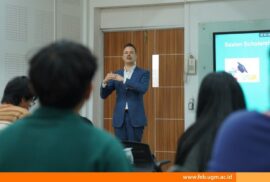
Students of the Faculty of Economics and Business, Universitas Gadjah Mada (FEB UGM), have the opportunity to participate in student exchange and double-degree programs at Saxion University of Applied Sciences in the Netherlands.
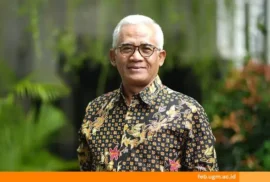
The government plans to implement free education through the college level.
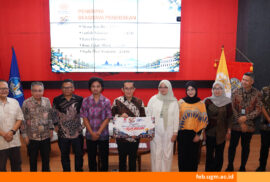
The 35th-anniversary reunion of the KAFEGAMA Class of 1991 was not only an opportunity to reflect on their time studying at FEB UGM.
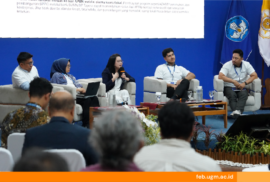
One year after presenting seven economic emergency demands, the Indonesian Economists Alliance (AEI) has once again evaluated developments in national economic policy.
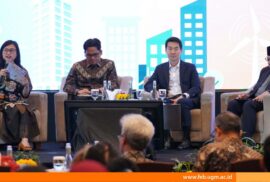
The success of digital transformation is determined not only by technological readiness but also by the quality of human resources, governance, and supportive policies.
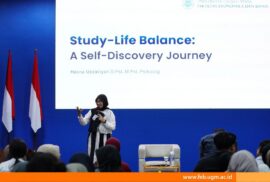
Managing university life involves more than simply dividing time between academic responsibilities and other activities.
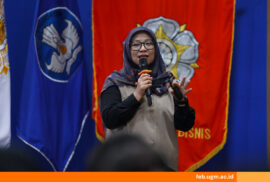
Innovation doesn’t end with the birth of an idea; it requires a process to transform that idea into a solution that addresses real-world problems.
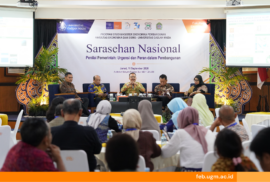
The role of government appraisers is becoming increasingly important as the government’s need to manage state and regional assets expands.
The Job Loss Insurance (Jaminan Kehilangan Pekerjaan/JKP) program is designed to protect workers who experience Termination of Employment (PHK).

Can we help you?