
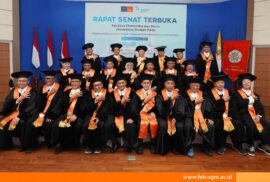
The Faculty of Economics and Business, Universitas Gadjah Mada (FEB UGM), commemorated its 71st Anniversary by reaffirming its commitment to nurturing future leaders who are inclusive, innovative, and sustainability-oriented.
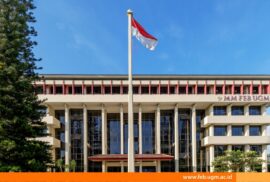
The Master of Business Administration Program at the Faculty of Economics and Business, Universitas Gadjah Mada (MBA FEB UGM), has risen to the 191–200 band globally in the QS Global MBA Ranking 2027, which ranks 423 MBA programs worldwide.

Professor Dr. Nurul Indarti, Sivilokonom., M.Si., Ph.D., a faculty member of the Faculty of Economics and Business, Universitas Gadjah Mada (FEB UGM), has been appointed as an Associate Editor of the Journal of Entrepreneurship in Emerging Economies (JEEE), an international journal published by Emerald.

The Faculty of Economics and Business, Universitas Gadjah Mada (FEB UGM), and Hiroshima University of Economics (HUE) have once again strengthened ties between Indonesian and Japanese students through the 2026 Indonesia International Contribution Project (IICP).
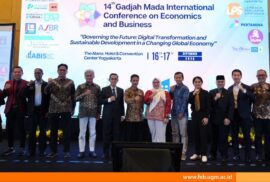
A total of 138 academics, researchers, and experts from various countries gathered to discuss digital transformation and sustainable development amid global change at The 14th Gadjah Mada International Conference on Economics and Business (GAMAICEB).
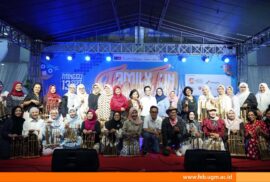
The 71st Anniversary celebration of the Faculty of Economics and Business, Universitas Gadjah Mada (FEB UGM), became even more festive with a performance by the Angklung Manise Swara UGM community on Sunday (13/9/2026).

Not every journey to a dream university happens on the first try.

Something felt different on Sunday afternoon, September 13, 2026, at the Faculty of Economics and Business, Universitas Gadjah Mada (FEB UGM).
Rapid technological advancements, geopolitical uncertainty, and the challenges posed by climate change are driving structural changes in the global economy.

Can we help you?