No institution is immune to crises. When not properly managed, crises can damage an institution’s reputation, lead to economic losses, and erode public trust. Therefore, how an institution responds to a crisis is crucial in mitigating its impact.
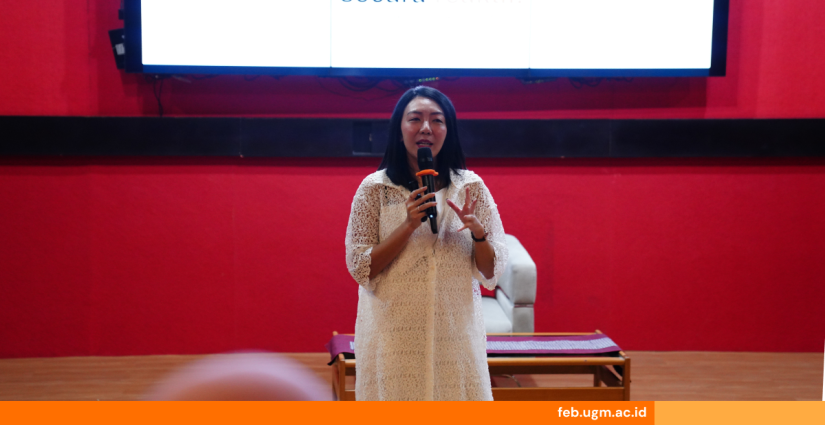
A Strategic Communication Consultant, Winda Mizwar Pratiwi, S.E., M.Ikom, emphasized that organizations that take proactive steps from the outset of a crisis can reduce reputational damage by up to 30 percent compared to those that respond reactively. She conveyed this during a Crisis Management and Public Communication training session organized in collaboration between FEB UGM and the UGM University Secretariat on Friday (14/11/2025) at Djarum Hall, FEB UGM.
In this workshop attended by FEB UGM professional staff, Winda encouraged participants to actively practice managing, responding to, and shaping narratives during crises. Through these efforts, participants aim to ensure that when a crisis occurs, the institution not only survives but also emerges stronger and more trusted.
“Stop acting reactively when facing a crisis. Start being reflective and turn the crisis into an opportunity,” she said.
Winda mentioned that a study by the Edelman Trust Barometer (2022) found that an empathetic response within the first 24 hours increased reputation recovery by up to 42%. What basic ethics are necessary when dealing with issues and crises? Winda emphasized that institutions must adopt the proper perspective to prevent the public from being misled. Next, listen, because silent empathy is stronger than a thousand defenses. Equally important when dealing with a crisis is to calm the people involved, and to connect facts with feelings, data with empathy, and policies with human needs.
“After a crisis, what is needed is not only image repair, but a narrative for the future. That we have learned, we have changed, and that a new commitment has been born from the storm,” she explained.
Winda further explained the three stages of a crisis. First, building a culture of preparedness rather than panic or neglect. Second is about communication, transparency, and expectations. The third stage is post-crisis, namely image recovery and public empathy.
She also gave examples of the efforts that institutions, including FEB, need to make in the event of a crisis. Several standard operating procedures must be followed, including activating the faculty crisis team, consolidating facts and chronology, preparing an official narrative, creating media FAQs, managing communication with the families of victims or related parties, identifying spokespersons, and coordinating with the university’s public relations division.
Winda also emphasized the importance of understanding how audiences will respond to information conveyed through press releases and other communication channels. Therefore, it is essential to map audiences, starting with demographic segmentation and message tone selection, and to tailor message distribution channels to the characteristics of each audience, ensuring the information conveyed is effective.
Reportage by: Kurnia Ekaptiningrum
Sustainable Development Goals