Women play an important role in driving the economy and sparking change within communities. Through active participation in community empowerment initiatives, women also serve as pillars of family economic resilience, agents of change, and guardians of household sustainability. However, an important question arises: do their efforts truly affect household economic outcomes?
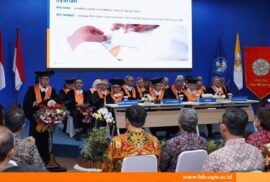
Maria Yuvita Gobay, an alumna of the Doctoral Program in Economics at the Faculty of Economics and Business, Universitas Gadjah Mada (FEB UGM), explored this issue in her research titled Women’s Participation in Community-Based Empowerment Programs and Access to Microfinance Services on Household Economic Outcomes in Eastern Indonesia.
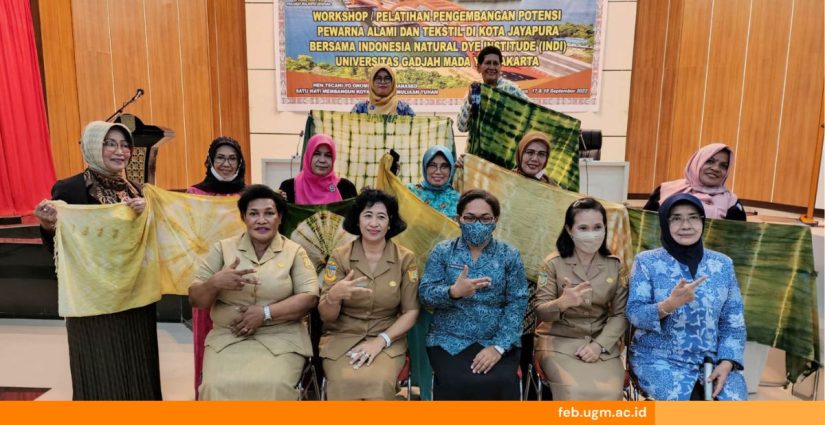
Her research findings show that women who actively participate in the Family Welfare Empowerment (PKK) program significantly increase household per capita expenditure, particularly in urban areas.
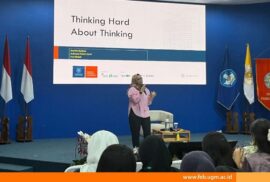
“This finding reflects that women’s empowerment through community programs does not occur instantly. It develops through education, access to resources, and social support,” she explained in the 3 Minutes Thesis program titled Prakerja Program: Women as Drivers of Household Economy in Eastern Indonesia.
Another finding indicates that women’s access to microfinance services has not yet directly increased household income. It suggests that providing access to financial services alone is not sufficient to encourage women’s economic independence.
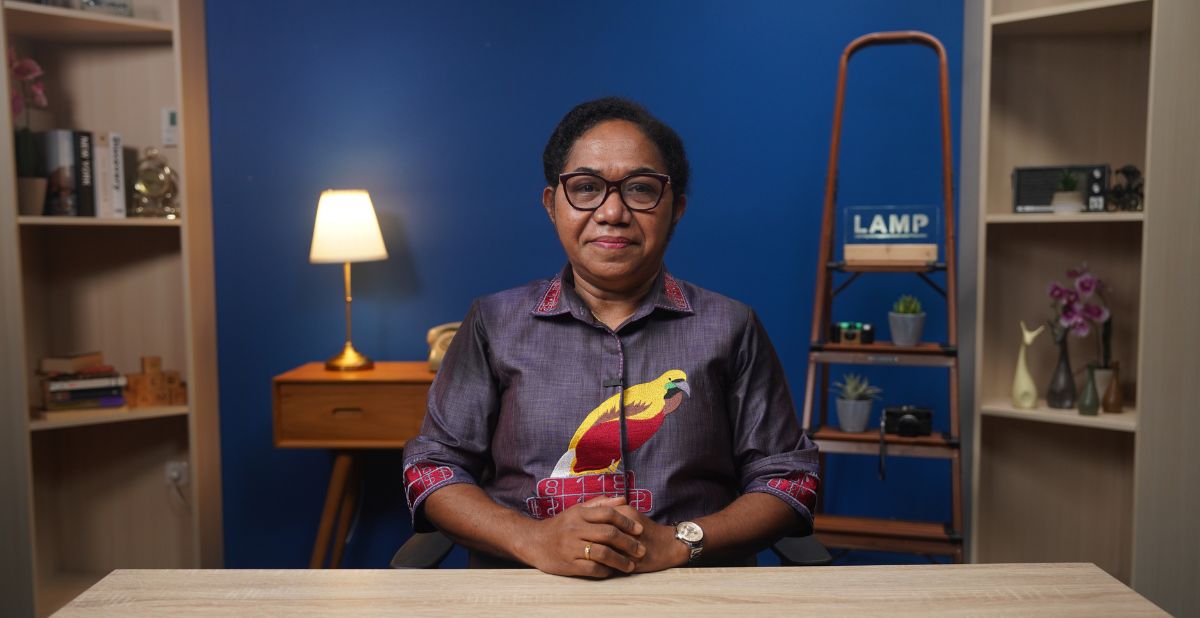
“Access to financial services is indeed important, but it is not enough. To ensure that the benefits can truly materialise, women also need financial literacy, skills, and institutional support,” she added.
Furthermore, she emphasized that community empowerment programs such as PKK can improve household economic welfare while strengthening women’s roles at the grassroots level. However, access to microfinance services remains ineffective without adequate skills, financial literacy, and institutional support.
“Women’s empowerment is not merely a program. It is an investment in the nation’s future. It is time for us to move forward by expanding access, building capacity, and empowering every woman to become truly independent,” she said.
These findings highlight the importance of adopting a more comprehensive approach to women’s empowerment, not only through financial access but also through capacity building and social support. Through such efforts, women’s empowerment programs will contribute more significantly to improving household welfare while promoting more inclusive and gender-equitable economic development.
The full video of the 3 Minutes Thesis program: Prakerja Program: Women as Drivers of Household Economy in Eastern Indonesia can be accessed at: http://ugm.id/PerempuanPenggerakEkonomiKeluarga
Report: Shofi Hawa Anjani
Editor: Kurnia Ekaptiningrum
Sustainable Development Goals