
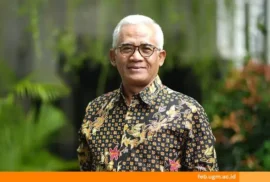
The government plans to implement free education through the college level.
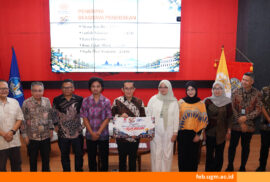
The 35th-anniversary reunion of the KAFEGAMA Class of 1991 was not only an opportunity to reflect on their time studying at FEB UGM.
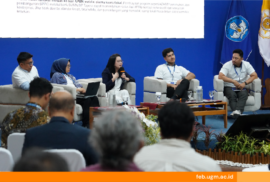
One year after presenting seven economic emergency demands, the Indonesian Economists Alliance (AEI) has once again evaluated developments in national economic policy.
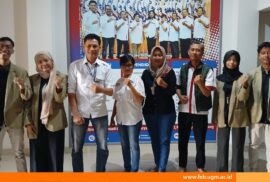
The Job Loss Insurance (Jaminan Kehilangan Pekerjaan/JKP) program is designed to protect workers who experience Termination of Employment (PHK).
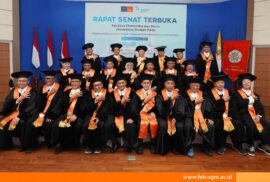
The Faculty of Economics and Business, Universitas Gadjah Mada (FEB UGM), commemorated its 71st Anniversary by reaffirming its commitment to nurturing future leaders who are inclusive, innovative, and sustainability-oriented.

The Faculty of Economics and Business, Universitas Gadjah Mada (FEB UGM), and Hiroshima University of Economics (HUE) have once again strengthened ties between Indonesian and Japanese students through the 2026 Indonesia International Contribution Project (IICP).

Not every journey to a dream university happens on the first try.
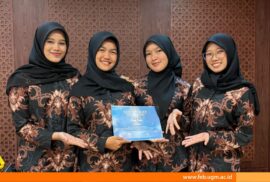
Another remarkable achievement has been made by students of the Faculty of Economics and Business, Universitas Gadjah Mada (FEB UGM).
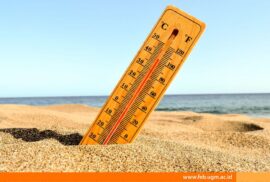
Rising temperatures do not merely make the weather feel hotter; they also affect the income of small businesses in Indonesia.
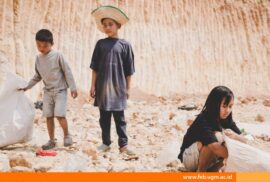
Poverty remains one of the social challenges faced by countries around the world.
Can we help you?