
Building a business at a young age is no easy feat, especially in the hospitality industry, which demands significant capital, solid management, and a deep understanding of the market. However, Muthia Farah Kandia (IUP Management 2021) has proven that age is not a barrier. With determination and perseverance, she successfully founded Dosare Capsule Hotel, a uniquely conceived capsule hotel in Malioboro’s bustling tourism district.
Muthia started her business journey in 2022 while still in her second semester. She was studying online at the time because the COVID-19 pandemic was still ongoing. The online lecture system gave her more time and flexibility to explore business ideas. Inspired by her family’s background in hospitality, Muthia began to observe the rise of the capsule hotel trend. However, she noticed one problem: most capsule hotels offered only shared bathrooms, which compromised comfort and privacy for some people.
This observation sparked her idea for a capsule hotel with private bathrooms in each unit. This concept had not yet been widely adopted in the market at the time, making it a promising innovation. Once her idea was solidified, Muthia chose Malioboro as the hotel’s location, based on the typical placement of capsule hotels near city landmarks and busy tourist areas.
Beyond its private bathrooms, Dosare Capsule Hotel stands out for its warm, cozy interior design. In contrast to many capsule hotels that favor a futuristic, high-tech aesthetic, Dosare offers a relaxing, homey atmosphere. The hotel’s wooden interior elements and lemongrass-scented room fragrances create a distinctive and calming guest experience.
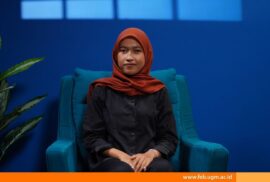
In the episode FEBerkarya: Entrepreneurship Strategy in Building Dosare Capsule Hotel on the Fakultas Ekonomika dan Bisnis UGM YouTube channel, Muthia admitted that one of her biggest challenges at the beginning of the hotel development was designing a compact capsule that still accommodated private bathroom facilities. The lengthy design process allowed Dosare Capsule Hotel to operate in early 2024.
As offline classes resumed, Muthia struggled to balance her academic responsibilities with running the business. Another challenge she faced was marketing the hotel. According to her, hospitality services aren’t typically purchased on impulse. Even with high social media reach, actual conversions depend heavily on timing and travel plans that suit potential guests.
She also realized that although the hotel’s pricing was affordable and tailored for the lower-middle-income market segment, many customers still compared her hotel’s prices and facilities to those of conventional hotels. This presented a communication challenge on how to effectively convey the unique value of her product to the intended audience.
“One of the biggest challenges is how to communicate information to the public because our target market is the lower-middle segment, which means the type of content or messaging they respond to is quite different,” said Muthia.
Reflecting on her various challenges, Muthia shared that she has gained many valuable lessons from her entrepreneurial journey. In her view, being an entrepreneur doesn’t require rigid idealism. The business journey is filled with unexpected changes and decisions that demand constant adaptability. Making quick and flexible decisions is one of an entrepreneur’s most important strengths. Other traits that are equally important include being visionary, anticipating market trends, and having the courage to take business risks.
“But that doesn’t mean we can settle for less. We still have to strive to give our best, it’s just that we shouldn’t be too fixated on our initial plans because they can hold us back in the long run,” she concluded.
Reportage: Najwah Ariella Puteri
Editor: Kurnia Ekaptiningrum
Sustainable Development Goals