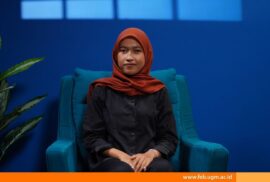
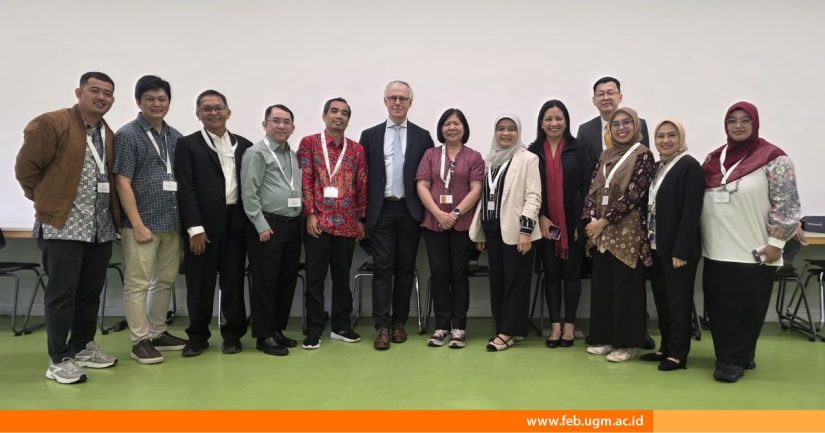
The Head of the Department of Management at the Faculty of Economics and Business, Universitas Gadjah Mada (FEB UGM), Prof. Nurul Indarti, has been selected to participate in the 20th International Deans’ Course (IDC) Southeast Asia 2026. She is among the 30 participants chosen from more than 300 applicants across Southeast Asia. Notably, Prof. Nurul is the only participant serving as a Head of Department. In contrast, the remaining participants hold positions as deans, vice deans, or leaders of strategic units at higher education institutions.
The higher education leadership development program commenced with an intensive training session in Osnabrück and Berlin, Germany, from 15 to 26 June 2026. The program will continue through November 2026, during which participants will implement institutional change initiatives within their respective organizations.
The International Deans’ Course is a higher education leadership development program established in 2007 with funding support from the German Academic Exchange Service (DAAD). For the Southeast Asian region, the program is organized biennially and coordinated by Osnabrück University of Applied Sciences in collaboration with several international partners.
In the 2026 cohort, 30 participants were selected from Indonesia, Malaysia, Thailand, Vietnam, the Philippines, and Cambodia. Of these, nine participants represent universities in Indonesia, with FEB UGM being represented by Prof. Nurul Indarti.
The IDC is designed to strengthen the capacity of higher education leaders in addressing the complexities of university management. The curriculum covers institutional governance, leadership, change management, conflict management, decision-making, and organizational challenges within the rapidly evolving higher education landscape.
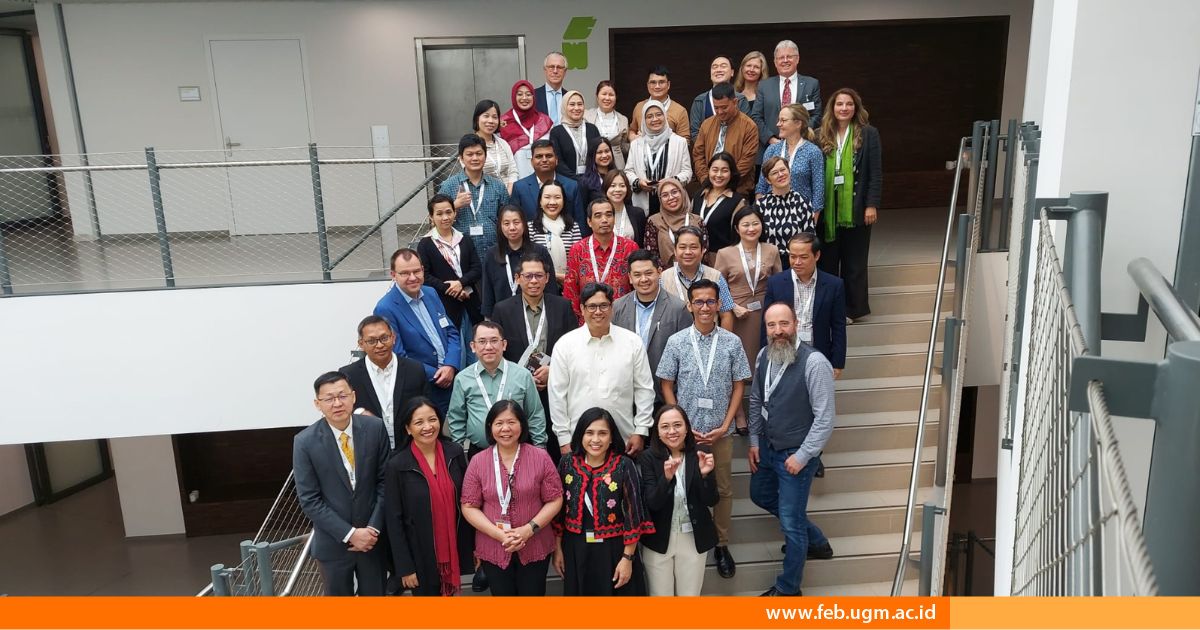
Learning extends beyond conceptual instruction. Participants engage in case discussions, group work, peer learning, leadership reflection, institutional visits, and the exchange of experiences related to real organizational challenges. The diversity of participants’ institutional contexts and professional backgrounds is considered one of the program’s greatest strengths, as each institution faces unique challenges.
One of the program’s key approaches is design thinking. Through this framework, participants are encouraged to identify real issues within their institutions, understand stakeholders’ needs, define priorities for change, develop alternative solutions, and design phased implementation strategies.
The program will continue until November 2026. During this period, participants are expected not only to gain conceptual understanding but also to apply the knowledge acquired by delivering an initial change a concrete, relevant first step towards institutional improvement within their respective organizations. For Prof. Nurul Indarti, participating in the IDC has been an invaluable learning experience.
“I feel extremely fortunate to be part of this program. My position is unique as I am the only participant serving at the Head of Department level. This has allowed me to learn extensively from other participants who bring a wide range of institutional contexts, challenges, and leadership experiences,” said Prof. Nurul.
According to Prof. Nurul, the exchange of experiences among participants offered valuable lessons that could not always be obtained through formal classroom sessions. Each participant presented distinct cases, ranging from internal conflicts, resistance to organizational change, and resource limitations to organizational restructuring, collaboration building, and strengthening institutional governance.
“Every participant brought unique challenges. I learned a great deal from the ways they addressed these issues. It also became a valuable opportunity for reflection, as we realized that there is no single approach that can be applied universally across all institutions,” she added.
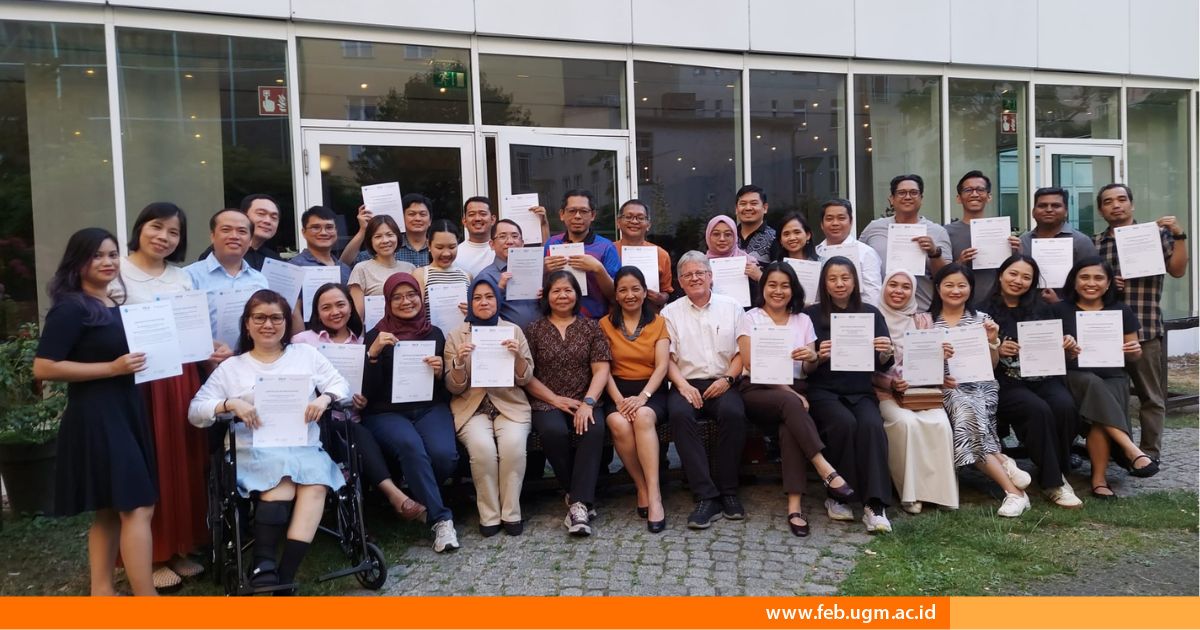
Beyond insights into governance and leadership, Prof. Nurul believes that one of the program’s greatest benefits is the network of higher education leaders established across Southeast Asia. The intensive interactions throughout the program have enabled participants to build professional relationships that may evolve into long-term platforms for mutual learning, sharing best practices, and fostering institutional and cross-border collaborations.
“Equally important is the network we have built. We learned not only from the facilitators but also from one another. Each participant brought different experiences and perspectives. This network is extremely valuable because the learning process continues even after the program concludes,” she explained.
Through participation in the 20th International Deans’ Course Southeast Asia 2026, FEB UGM is expected to bring back valuable insights, perspectives, and best practices to strengthen further institutional governance, adaptive leadership, and change management.
The participation also reflects FEB UGM’s commitment to continuously developing leadership capacity and building a higher education institution that is excellent, adaptive, collaborative, and globally competitive.
Reportase: Shofi Hawa Anjani
Editor: Kurnia Ekaptiningrum
Sustainable Development Goals