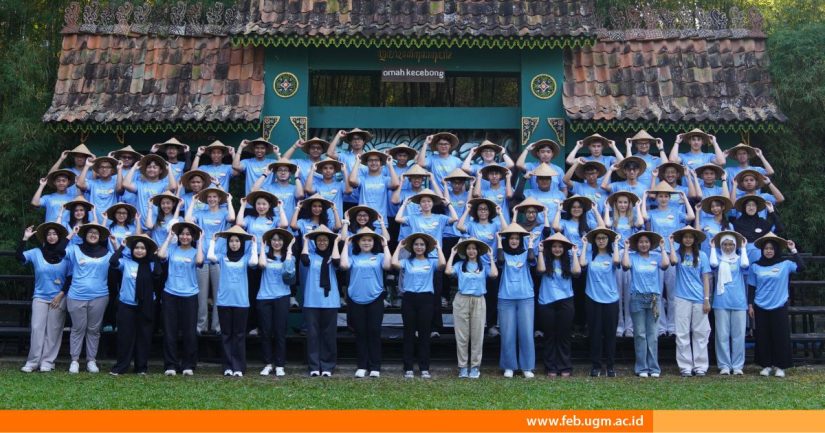
Laughter echoed across the peaceful surroundings of Omah Kecebong on a bright morning. Amid lush rice fields and the tranquil atmosphere of a traditional Javanese village, dozens of students from various countries took part in the outbound and cultural activities of Global Summer Week (GSW) 2026 on July 14, 2026. The program offered participants a unique learning experience beyond the classroom by immersing them in nature and local culture.
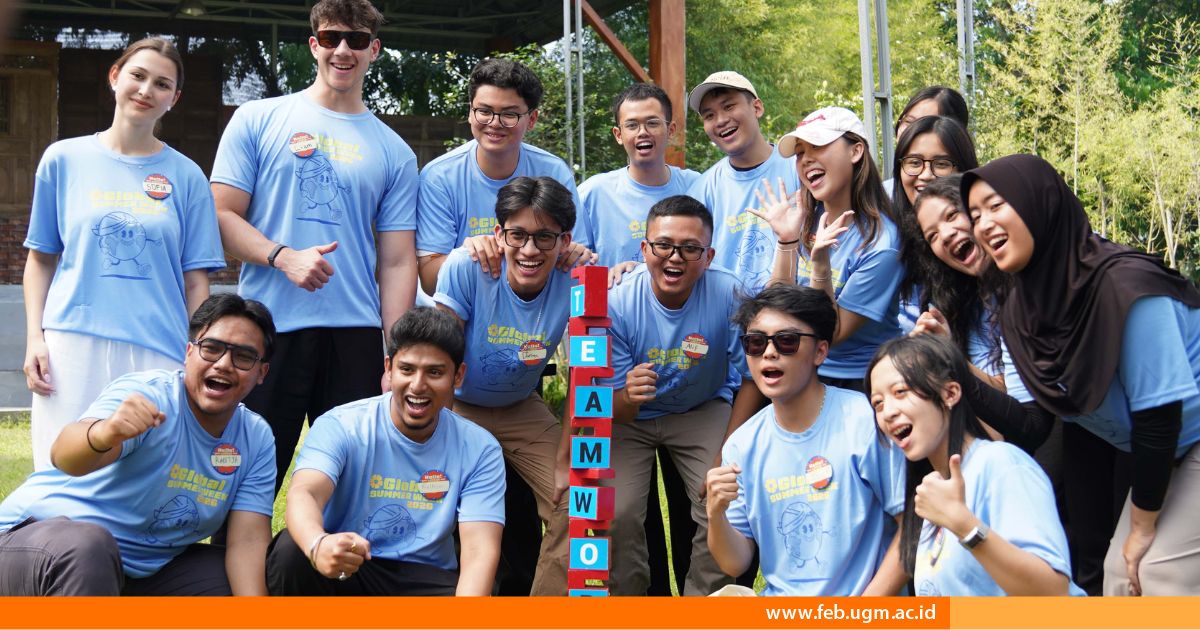
A total of 62 students from nine universities across five countries were divided into several groups. They were challenged not only to complete team-based games requiring strategy and collaboration but also to get to know one another. Following an ice-breaking session, the initial sense of unfamiliarity gradually faded, replaced by lively conversations, laughter, and applause as each team completed the challenges.
For Charlie William Cottrill from the University of Canterbury, New Zealand, the activities were among the most memorable experiences of GSW 2026. He shared that the program created opportunities for participants to connect and build friendships with students from different cultural backgrounds. Through the collaborative games, he felt encouraged to step outside his comfort zone and engage with new people.
“Being outdoors and participating in these activities made it much easier for me to open up to new friends, and I discovered that everyone was really fun to be around,” he said.
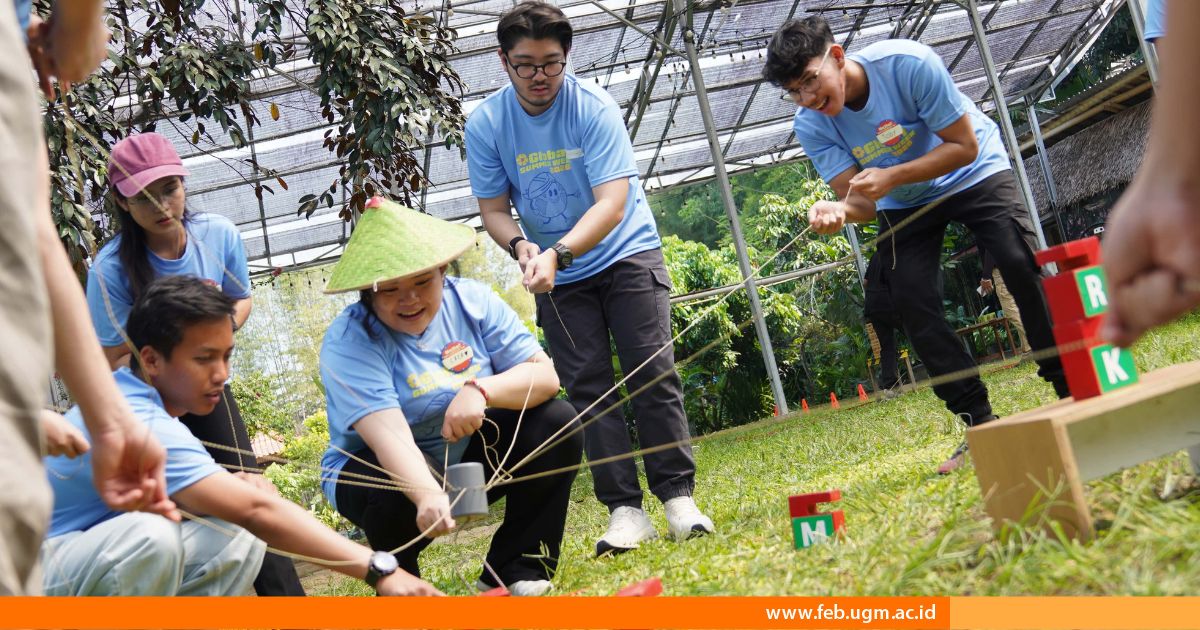
Charlie also took on the role of team leader during one of the challenges, which tested his leadership skills. In one activity, participants had to use strings to coordinate the movement of wooden blocks and arrange them into a word. The task required effective communication, as every team member had to move in perfect synchronization. Thanks to strong coordination and teamwork, Charlie’s group completed the challenge and emerged as the winner.
Between the games, participants were introduced to Javanese culture through simple yet meaningful activities. One of them involved assembling puzzles featuring traditional wayang (Javanese shadow puppet) characters. For Jayasundara W. N. P. T. from the University of Glasgow, United Kingdom, it was his first encounter with the stories and figures of Javanese wayang.
At first, he admitted feeling confused because he was unfamiliar with the characters he had to assemble. However, with guidance from Indonesian participants, he gradually learned about the figures and the stories behind them. What initially seemed like a difficult challenge soon became an enjoyable learning experience.
“I learned that there are many fascinating characters in Javanese stories through this puzzle game. I enjoy learning about the cultures of other countries. This activity also taught me that I should always try first, even when I am faced with something I know nothing about,” he explained.
The cultural experience continued beyond the games. During the break, participants were served a variety of traditional Javanese delicacies, including kue talam, kue lemet, boiled peanuts, sayur lodeh, and other local specialties. Surrounded by the authentic atmosphere of a rural village that continues to preserve its traditions, every dish became part of an immersive cultural experience.
“Trying the traditional food served during this activity was a wonderful way to learn about Indonesian culture. Throughout GSW 2026, I’ve been making an effort to try different foods every day so I can experience the richness of Yogyakarta’s local cuisine,” Jayasundara said.
By combining collaborative activities, cultural immersion, and cross-cultural interaction, the outbound and cultural activities embodied the spirit of Global Summer Week 2026. The program successfully created a space for participants to build international networks while gaining meaningful cultural experiences that they will carry with them long after the program concludes.
Reporter: Najwa Anggi Namira
Editor: Kurnia Ekaptiningrum
Sustainable Development Goals