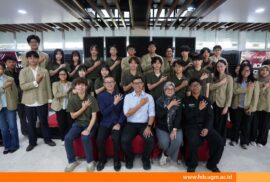
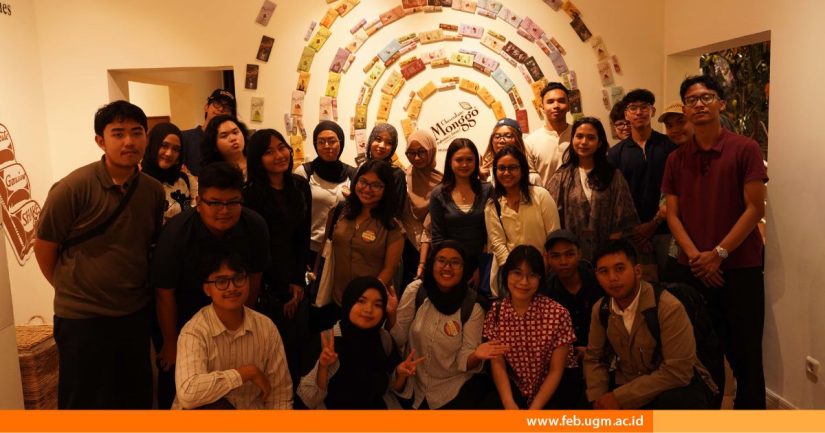
A visit to Sabila Farm became an unforgettable experience for Kateryna Lemishka. The Ukrainian student, who is currently studying at WU Vienna, Austria, saw tropical fruit plantations for the first time in her life. The journey then continued to Chocolate Monggo, where she witnessed how cocoa beans are transformed into chocolate—a product she had previously known only in its final form.
The experience was part of the company visit series of the Global Summer Week (GSW) 2026, held on Saturday (19/7/2026). Through visits to Sabila Farm and Chocolate Monggo, participants from five countries gained firsthand insights into how Indonesia’s natural resources not only produce agricultural commodities but also create added value through innovation, sustainability, and the creativity of local communities.
At Sabila Farm, participants explored plantations cultivating various tropical fruits, including oranges, papayas, and dragon fruit. As they walked through the orchards, they learned about the cultivation process, from planting seedlings and maintaining crops to harvesting. For many international participants, including Kateryna, it was their first opportunity to see tropical fruit farming in Indonesia.
“I really enjoyed visiting Sabila Farm. I learned how oranges grow, and it was also the first time I discovered tropical fruits such as papaya,” she said.
Beyond introducing fruit cultivation, Sabila Farm also demonstrated how sustainable farming practices are implemented. Orange peels left after harvesting are processed into eco-enzyme, an organic fertilizer that enriches the soil, provides nutrients for plants, and helps control pests naturally. Through this practice, participants learned that agricultural waste can be transformed into valuable resources.
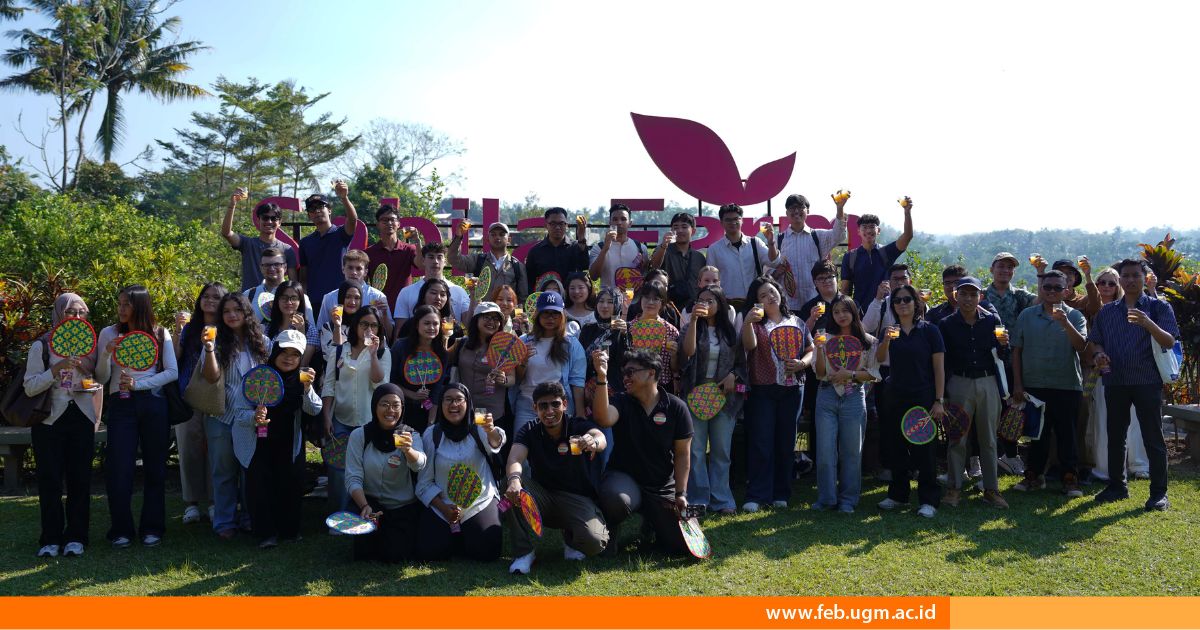
The educational experience became more relaxed when participants were invited to enjoy rujak, a traditional Indonesian fruit salad made from a variety of local fruits served with a distinctive spicy dressing. The unique combination of sweet, sour, spicy, and refreshing flavors offered a memorable culinary experience, especially for first-timers.
“This food (rujak) reminded me of apples, but it’s not apples. It tastes sweet and sour at the same time, which is a very interesting combination,” Kateryna recalled while sharing her first impression of the dish.
The journey then continued to Chocolate Monggo, one of Yogyakarta’s renowned chocolate producers known for transforming Indonesian cocoa beans into premium chocolate products infused with local cultural elements. Participants first toured the chocolate museum before entering the production area to observe the chocolate-making process firsthand.
During the visit, GSW participants learned every stage of chocolate production—from processing cocoa beans and mixing ingredients to molding the chocolate and adding various flavors. They not only observed the process but also had the opportunity to try several simple production steps themselves, making the learning experience more engaging and interactive.
For Kateryna, witnessing each stage of chocolate production up close was a fascinating experience.
“I really enjoyed seeing every stage of chocolate production, how they process natural cocoa beans, add different flavors, and turn them into delicious chocolate bars. Everything was fascinating. I also bought several products as souvenirs for my family in Ukraine,” she said.
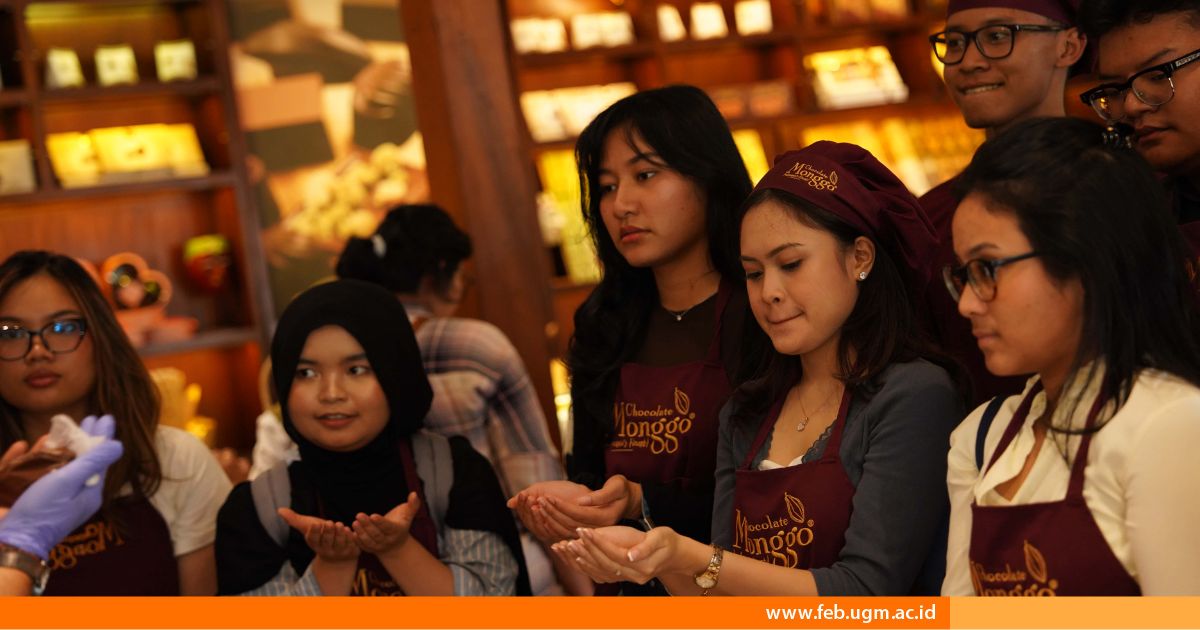
For Kateryna, spending a day exploring a fruit farm and a chocolate factory offered a new perspective on Indonesia. She not only discovered the country’s rich natural resources but also witnessed how local communities transform them into value-added products through innovation and sustainable practices.
“Today’s activities were very interesting. We saw how local communities leverage their potential across two industries. Through this visit, we gained a better understanding of how local industries operate in Indonesia. It has given us new insights, especially for international participants,” she remarked.
The company visit program of Global Summer Week 2026 demonstrated that cross-cultural learning extends far beyond the classroom. From fruit orchards on the slopes of Mount Merapi to a chocolate factory in Yogyakarta, each destination showcased how Indonesia’s abundant natural resources can be transformed into valuable products through innovation, sustainability, and the creativity of local communities. For the participants, the journey was not merely a field trip but a meaningful learning experience that connected academic knowledge with real-world practices.
Reporter: Najwa Anggi Namira
Editor: Kurnia Ekaptiningrum
Sustainable Development Goals