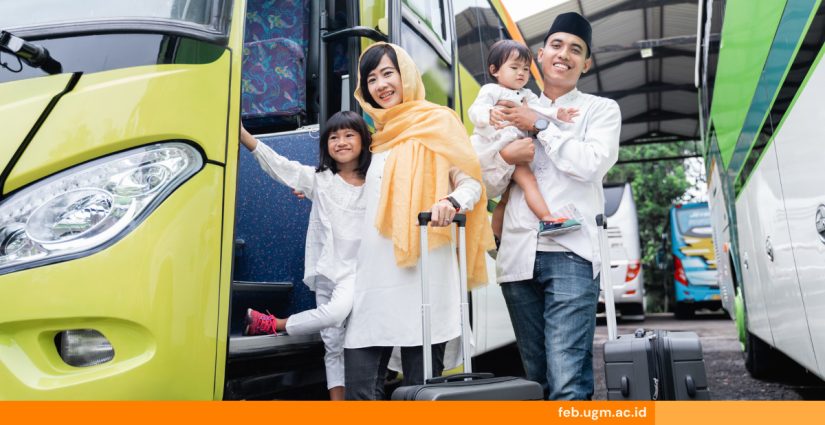
Every year, the government allocates a budget for the free Eid homecoming (mudik) program. This programme aims to make travel easier, particularly for those departing from the Greater Jakarta area (Jabodetabek) for various destinations in Java and Sumatra. However, is this policy fiscally efficient and well-targeted?
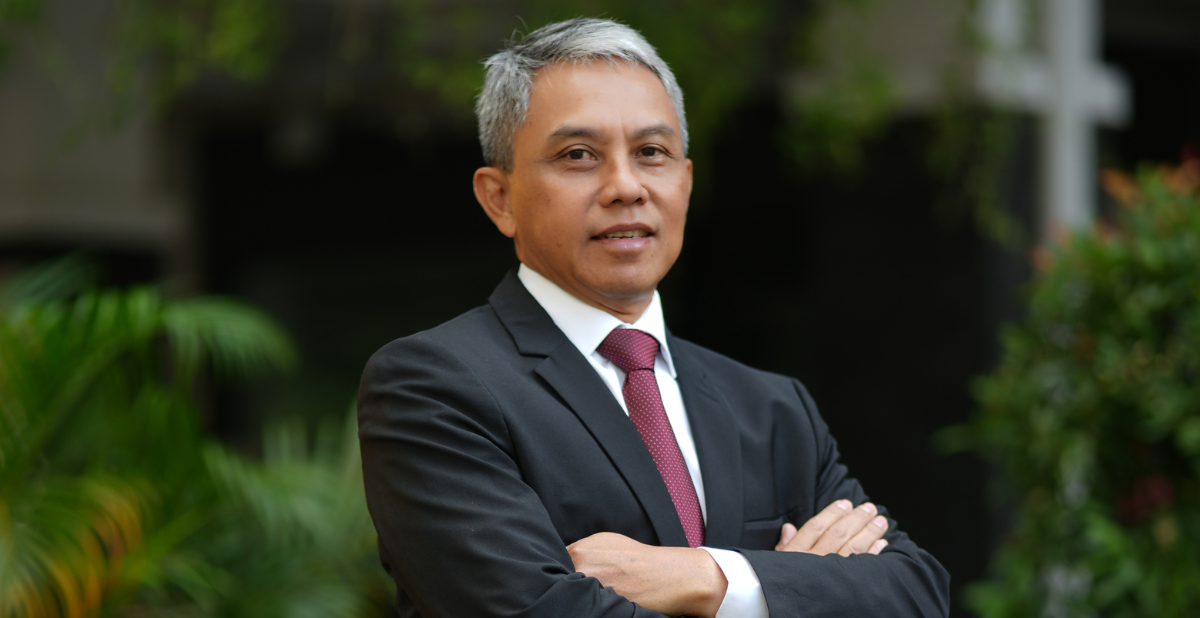
Lecturer at the Faculty of Economics and Business, Universitas Gadjah Mada (FEB UGM), Hengki Purwoto, S.E., M.A., explained that in terms of capacity, the free mudik program is relatively small compared to the total national homecoming movement. The estimated total number of homecoming trips nationwide is around 144 million. The largest share occurs in Java, accounting for approximately 70–80 million trips.
“Meanwhile, the capacity of the free mudik program from Jabodetabek to Java and Sumatra is only about 15,000 people, or roughly 0.01 percent. So proportionally, it is indeed very small,” he explained.
Reducing Accident Risks
Hengki further explained that around 50 per cent of the mudik flow from Jabodetabek heads towards eastern Java, including Central Java, East Java, the Special Region of Yogyakarta (DIY), Bali, and Nusa Tenggara. Meanwhile, a smaller portion travels from Jabodetabek to Sumatra, and some regional movements occur in Kalimantan and Sulawesi. The free mudik program is generally available for routes from Jabodetabek to Java and parts of Sumatra, using buses and trucks to transport motorcycles.
“The role of the free mudik program may not be very large, but the issue becomes important due to the high risk of accidents along the Jabodetabek–Java corridor,” said the researcher, who actively studies infrastructure policy, particularly in transportation.
The program targets low-income groups, such as factory workers and micro, small, and medium enterprises (MSMEs), who typically travel long distances by motorcycle during the homecoming period. According to Hengki, through this program, these groups can travel by bus instead, thereby reducing the risk of traffic accidents.
Social Benefits vs. Social Costs
So, is the program efficient? Comparing social benefits and social costs is the best way to assess efficiency, Hengki explained. The benefits of the free mudik program include addressing negative externalities, such as traffic accidents, congestion, and excessive pressure on transportation infrastructure, including roads, bridges, and terminals.
Determining whether the program is efficient can be done by comparing the cost of organizing the free mudik program with the healthcare costs and infrastructure damage caused by accidents and congestion. These improvements can generate economic value if they reduce accident rates, fatalities, and infrastructure damage.
According to Hengki, the social benefits may exceed the program’s implementation cost of around IDR 2 billion. It means that although the program is small in scale, it can be efficient if the social benefits outweigh the fiscal costs.
Fare Intervention
The surge in transportation demand during the Eid holiday often triggers price increases. Hengki noted that under conditions of overloaded demand, if the market mechanism operates without intervention, transportation fares tend to rise significantly due to limited supply.
“If there is no regulation, the situation could approach market failure. Demand is high, supply is limited, and fares increase sharply, making them unaffordable for some people,” Hengki explained.
He believes the free mudik program is a more appropriate intervention than strict fare caps, which could harm transportation operators. In other words, the government can maintain the sustainability of the transportation industry while also protecting vulnerable groups.
Policy Recommendations
Hengki emphasized that mudik management should be part of sustainable regional transportation management. In the short term, besides fare interventions, the government could adjust the holiday period to ensure it is not too short, thereby reducing travel concentration on peak days.
In the medium term, the government needs to strengthen intermodal transportation facilities and develop integrated ticketing systems across different modes of transport.
In the long term, more comprehensive improvements are necessary, including increasing transportation fleet capacity, creating a more attractive climate for transportation businesses, strengthening infrastructure, and developing supporting industries such as ticketing companies and insurance services.
“Public transportation must become the mainstay. Service planning should simultaneously improve both quality and quantity so that every year we do not face recurring fiscal burdens with the same pattern,” he concluded.
Report: Kurnia Ekaptiningrum
Sustainable Development Goals