Technological advancements have not yet ensured equal access for everyone. Amid the rapid development of artificial intelligence (AI), robotics, and smart home technologies, millions of people worldwide still lack access to assistive technology due to high costs, limited infrastructure, a shortage of trained professionals, and insufficient policy support.
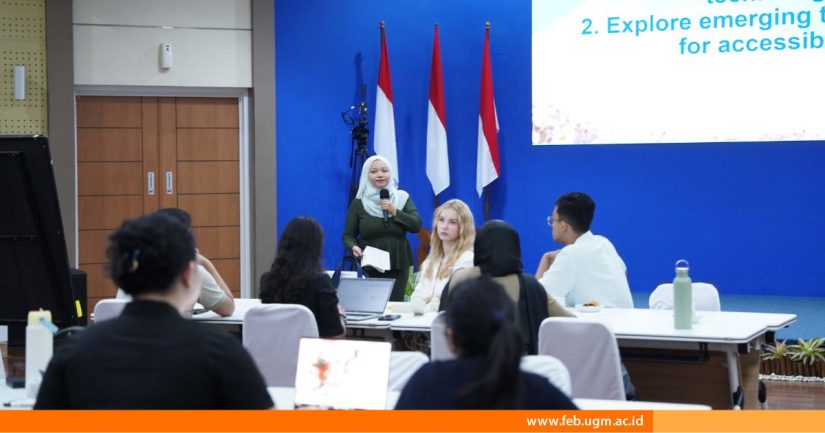
“Globally, only around 10 percent of those who need assistive technology currently have access to it,” said Dr. Afiqah Amin, an academic from the School of Business and Economics, Universiti Brunei Darussalam, during the Global Summer Week (GSW) 2026 workshop titled “Accessibility for All: Assistive Technology Innovation” held on Friday (19/07/2026).
Dr. Afiqah explained that assistive technology encompasses products and services designed to help individuals maintain or improve their functional abilities, independence, and well-being. Such technologies are not only intended for persons with disabilities but also benefit older adults, individuals living with chronic illnesses, and those experiencing temporary impairments.
As part of the workshop, participants took part in a hands-on activity to redesign an assistive technology product using a User-Centered Design approach. To support this process, they were introduced to the Empathy Map, a tool that enables designers to gain a deeper understanding of users’ experiences. Using this framework, participants analyzed what users see, hear, think, feel, say, and do. They also identified users’ pain points, expected gains, and needs as the foundation for developing solutions that are more relevant, inclusive, and impactful.
“This approach places users at the center of the innovation process, ensuring that the solutions developed truly address their needs,” Afiqah said.
Reported by: Najwa Anggi Namira
Editor: Kurnia Ekaptiningrum