The sound of threads brushing against one another and the swift movements of skilled hands filled one of the production rooms at DOWA Bag in Yogyakarta. Dozens of artisans sat side by side, expertly weaving polypropylene threads into intricate panels that would later be transformed into handbags. In another corner, artisans carefully assembled crocheted floral pieces one by one, creating distinctive patterns before adding accessories as the finishing touch.
For Theresa Martha Manaluu, a student from the Faculty of Economics and Business, Universitas Gadjah Mada (FEB UGM), the visit was one of the most memorable experiences during the Global Summer Week (GSW) 2026. She expressed her admiration for the artisans’ remarkable speed and craftsmanship, something she had never witnessed in person before.
“I think what impressed me the most was the craftsmanship because I had never seen people doing this in real life. It was incredible to see how quickly they used their hands to transform thread into beautiful woven products,” she said.
DOWA Bag is a renowned woven handbag manufacturer that collaborates with approximately 1,000 artisans across various villages, as well as hundreds of factory employees responsible for finishing and quality control. During the visit, participants observed the entire production process for a single handbag, which can take up to three months. The process begins with artisans crocheting individual floral motifs, which other artisans then assemble into a finished product.
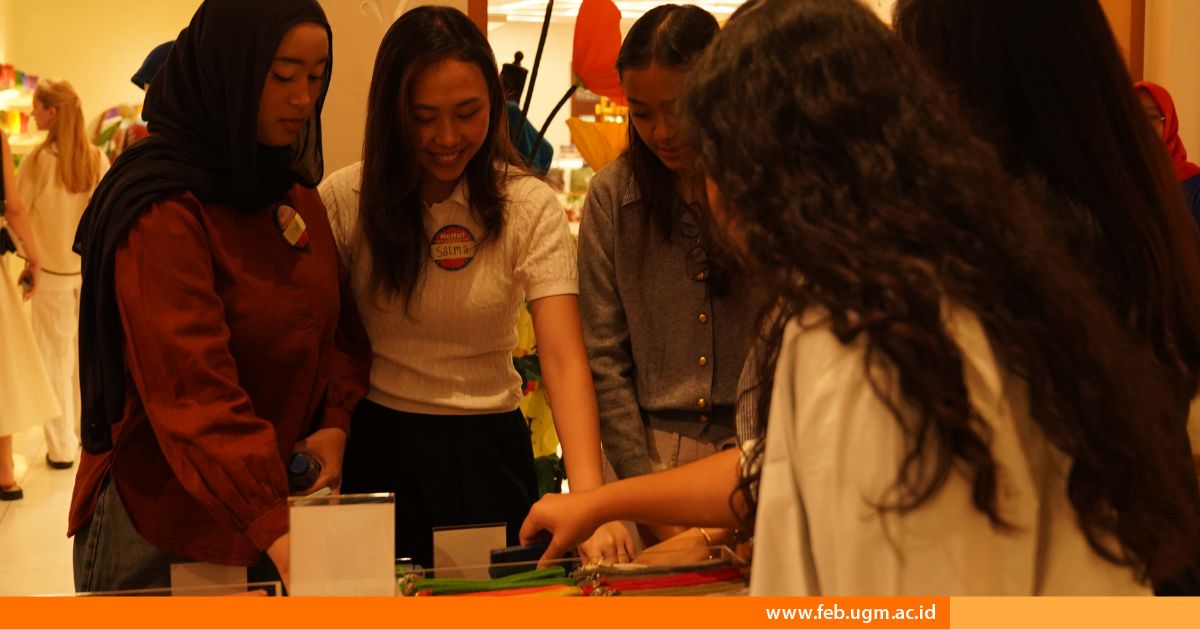
The company deliberately performs the final assembly process at its factory to protect its designs from being copied before new products are officially launched. Participants also learned about DOWA Bag’s history, which began in the late 1980s as an exporter of woven handbags. At its peak, the company produced hundreds of thousands of bags each month for markets in the United States and Europe.
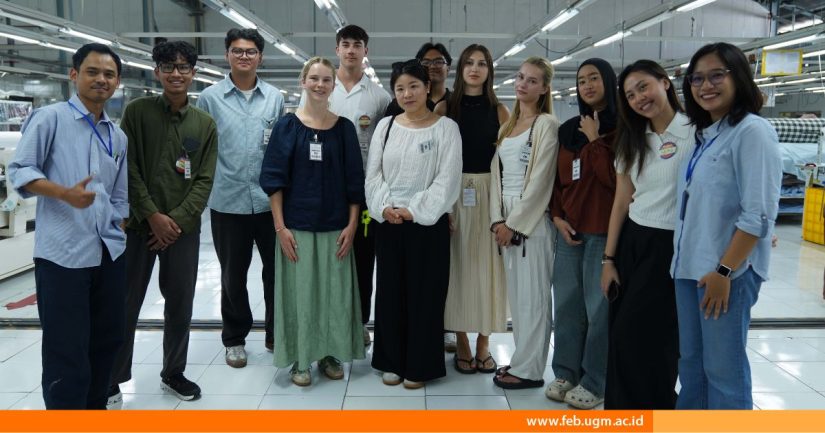
The group then continued their industrial visit to PT Ameya Livingstyle, a garment manufacturing company that produces apparel for internationally recognized brands, including Tommy Hilfiger, American Eagle, and S. Oliver. The company employs around 2,200 workers, more than 95 percent of whom are women.
Zahera Aina Binti Jessni, a student at Universiti Brunei Darussalam, shared that the visit gave her a completely new perspective on the manufacturing industry, which she had previously encountered only through social media. She explained that it was her first time witnessing factory workers carrying out production processes firsthand.
“When I visited Ameya, it really broadened my perspective. Seeing so many workers producing garments for numerous international brands was both fascinating and eye-opening,” she said.
Amid the negative stereotypes often associated with labor-intensive industries, PT Ameya Livingstyle highlighted its commitment to ensuring decent working conditions for its employees. The company has established a dedicated anti-harassment team to protect all workers and undergoes annual social compliance audits conducted by international buyers.
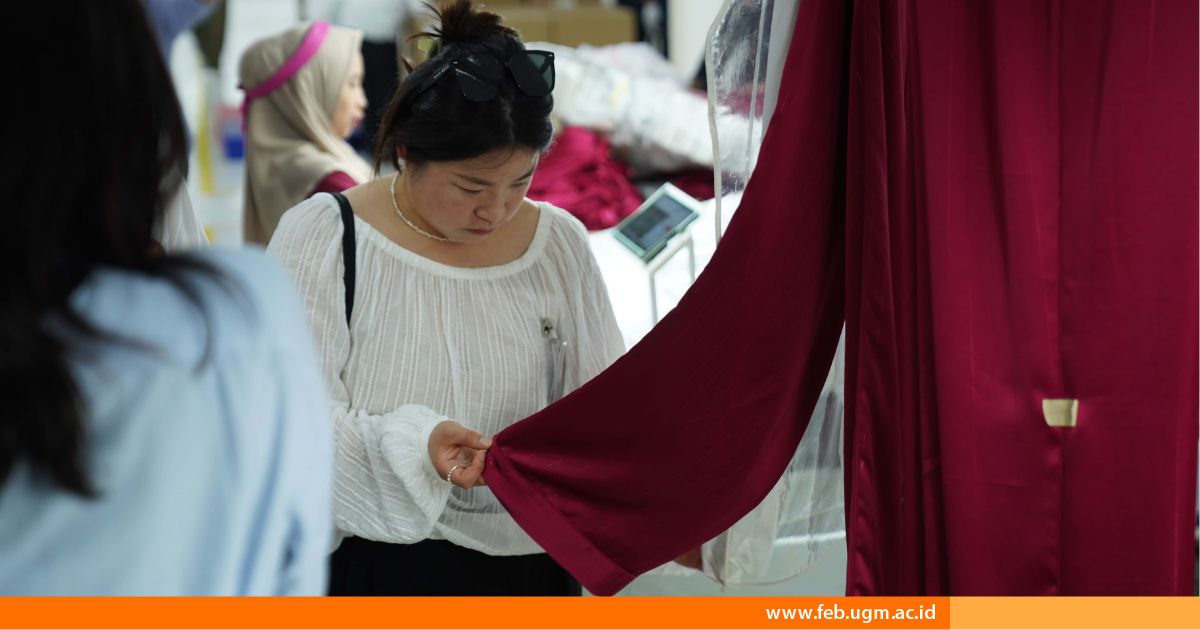
From a sustainability perspective, PT Ameya Livingstyle has replaced all fluorescent lighting with energy-efficient LED lights and upgraded conventional sewing machine motors to servo motors, significantly reducing energy consumption. In its fabric-washing process, the company uses only about 10 percent of the water required by conventional methods while generating no wastewater.
Theresa also expressed her admiration for the company’s highly organized production system. She was particularly impressed by how each worker specialized in producing a specific garment component before all the individual pieces were assembled into a finished product.
“What I found amazing was how every person focused on making just one part of the garment, and then everything was combined into a finished T-shirt. It was really impressive,” she said.
Through these firsthand industrial visits, participants not only broadened their understanding of creative craftsmanship and modern manufacturing practices but also gained valuable insights into integrating sustainability and workers’ well-being into business operations.
Reporter: Dwi Zhafirah Meiliani
Editor: Kurnia Ekaptiningrum
Sustainable Development Goals