
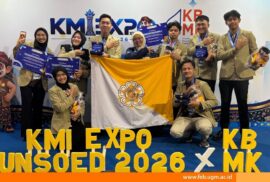
Students of the Faculty of Economics and Business, Universitas Gadjah Mada (FEB UGM), who were part of the UGM contingent, achieved outstanding results at the 2026 National Student Competition in Business, Management, and Finance (Kompetisi Mahasiswa Nasional Bidang Ilmu Bisnis, Manajemen, dan Keuangan/KBMK).
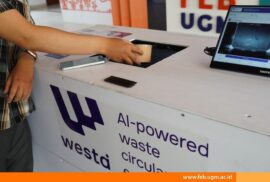
Waste sorting is an important step toward building a more measurable waste management system.
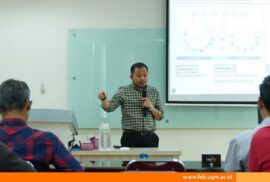
How companies report environmental, social, and governance issues is evolving with the introduction of new sustainability disclosure standards.
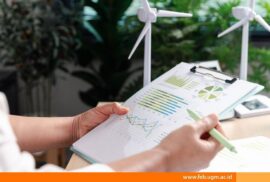
Artificial intelligence (AI) opens new opportunities for companies to manage data and prepare sustainability reports.
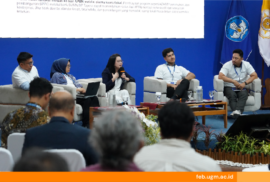
One year after presenting seven economic emergency demands, the Indonesian Economists Alliance (AEI) has once again evaluated developments in national economic policy.
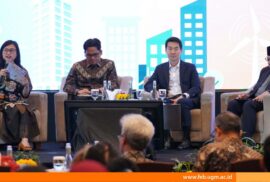
The success of digital transformation is determined not only by technological readiness but also by the quality of human resources, governance, and supportive policies.
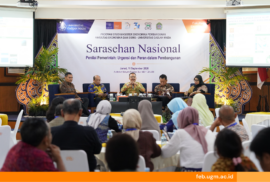
The role of government appraisers is becoming increasingly important as the government’s need to manage state and regional assets expands.

Understanding sustainability issues and gaining experience during university are important foundations for students to navigate workplace changes and address societal challenges.
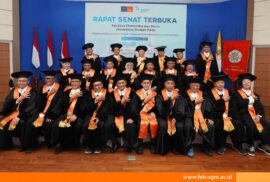
The Faculty of Economics and Business, Universitas Gadjah Mada (FEB UGM), commemorated its 71st Anniversary by reaffirming its commitment to nurturing future leaders who are inclusive, innovative, and sustainability-oriented.
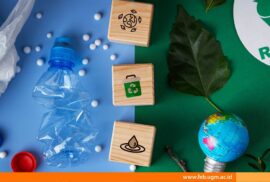
Industrial waste is often perceived as a problem. However, for Andre Suryaman, waste materials that would typically end up in landfills became the starting point of a business capable of reaching the global market.
Can we help you?